Discover the Ultimate Freedom: Why Open World Games Redefine Adventure in Gaming
In the ever-evolving world of video gaming, few genres have offered the kind of immersive experience that open world games do. These games provide players with an unmatched sense of freedom, allowing them to explore vast landscapes, complete quests, and craft their own adventures. This article digs into the reasons behind the success and appeal of open world games and how they have redefined the adventure genre in gaming.
The Essence of Open World Games
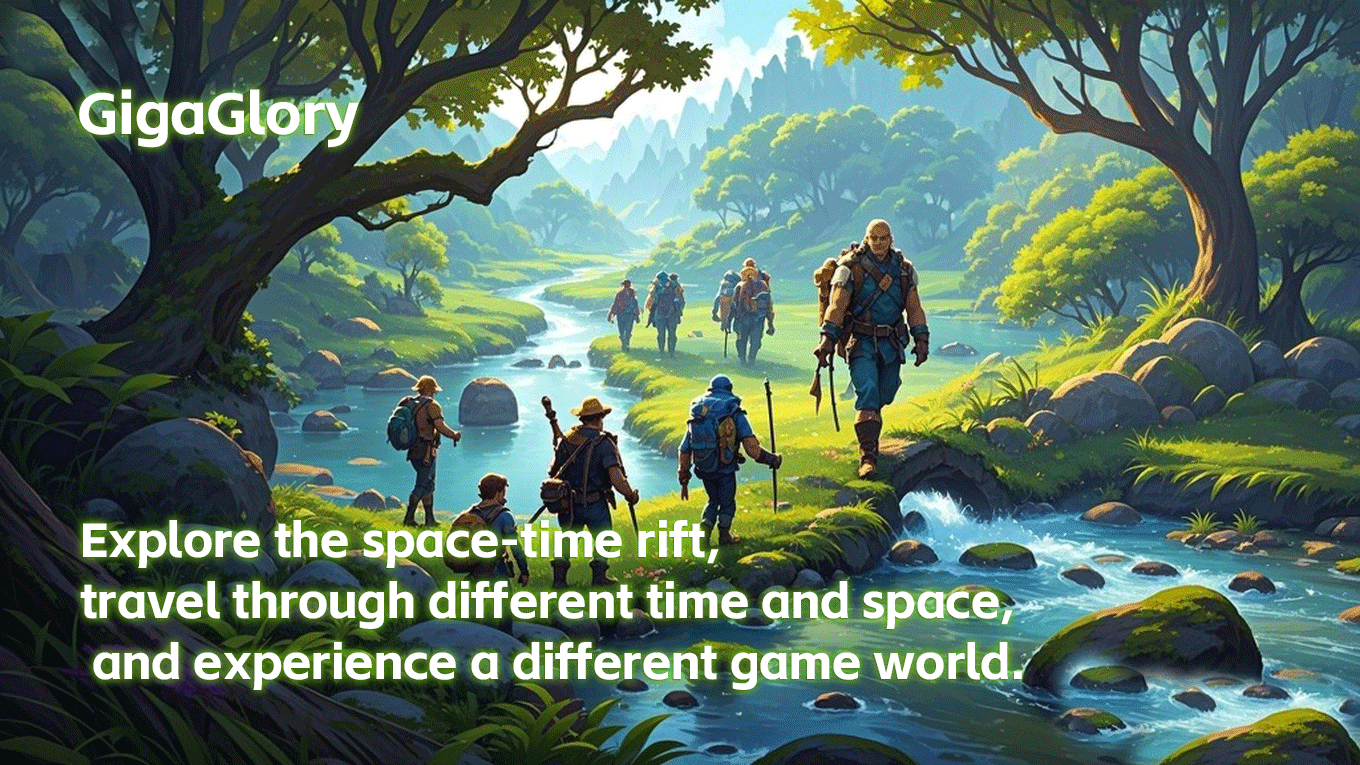
At their core, open world games allow players to traverse expansive virtual environments at their leisure. Unlike linear games, where players are funneled down specific paths, open world titles let players dictate their own journey. Popular examples like "The Legend of Zelda: Breath of the Wild" and "Grand Theft Auto V" showcase the essence of freedom, engaging players in diverse activities that range from combat to crafting and exploration.
Top Best Story Games in the Open World Genre
While many games boast captivating worlds, some top best story games truly shine due to their narratives. Below is a table highlighting standout titles that blend remarkable storytelling with the open world format:
| Game Title | Release Year | Notable Features |
|---|---|---|
| The Witcher 3: Wild Hunt | 2015 | Rich character development, intricate side quests |
| Red Dead Redemption 2 | 2018 | Stunning graphics, socially reflective themes |
| Ghost of Tsushima | 2020 | Cultural richness, immersive combat mechanics |
| Elden Ring | 2022 | Open-ended world, deep lore |
Why Open World Games Captivate Players
The allure of open world games can be attributed to several key factors:
- Exploration and Discovery: Players are encouraged to wander off the beaten path, uncovering hidden treasures and secrets.
- Dynamic Environments: Many open world titles feature environments that change based on player actions, adding depth and unpredictability to gameplay.
- Personalization: Players can tailor their experience, be it through character customization, skill upgrades, or choosing how to interact with the world.
- Engaging Quests: Side quests often rival main storylines in quality, providing players with a variety of experiences.
The Impact of Nostalgia: Delta Force in the 1980s
While modern open world games dominate the scene, it's interesting to look back at titles like Delta Force from the 1980s. Although not an open world game in the traditional sense, it paved the way for the expansive worlds we see today. Its emphasis on tactical gameplay and strategic freedom helped lay the groundwork for future innovations in gaming.
Community Engagement and User-Generated Content
Another compelling aspect of open world games is the sense of community that they foster. Players often come together to share tips, mods, and experiences, further enhancing the game. Platforms such as Steam and Discord enable discussions and allow gamers to craft their narratives collaboratively. This user-generated content adds even more layers to the open world experience.
The Future of Open World Games
What lies ahead for the genre? With advancements in technology, particularly in virtual reality (VR) and augmented reality (AR), the potential for open world games is enormous. Imagine stepping into a virtual realm where the graphics are indistinguishable from reality, and your choices have deeper impacts on the game world.
Conclusion: Embracing the Freedom
Open world games have undoubtedly redefined adventure in gaming, providing players with an unprecedented level of freedom and engagement. As gaming evolves, these immersive worlds continue to captivate players, proving that the true essence of gaming lies in exploration and adventure. As we look to the future, the evolution of this genre promises to keep players on the edge of their seats, ready for new adventures and discoveries.